
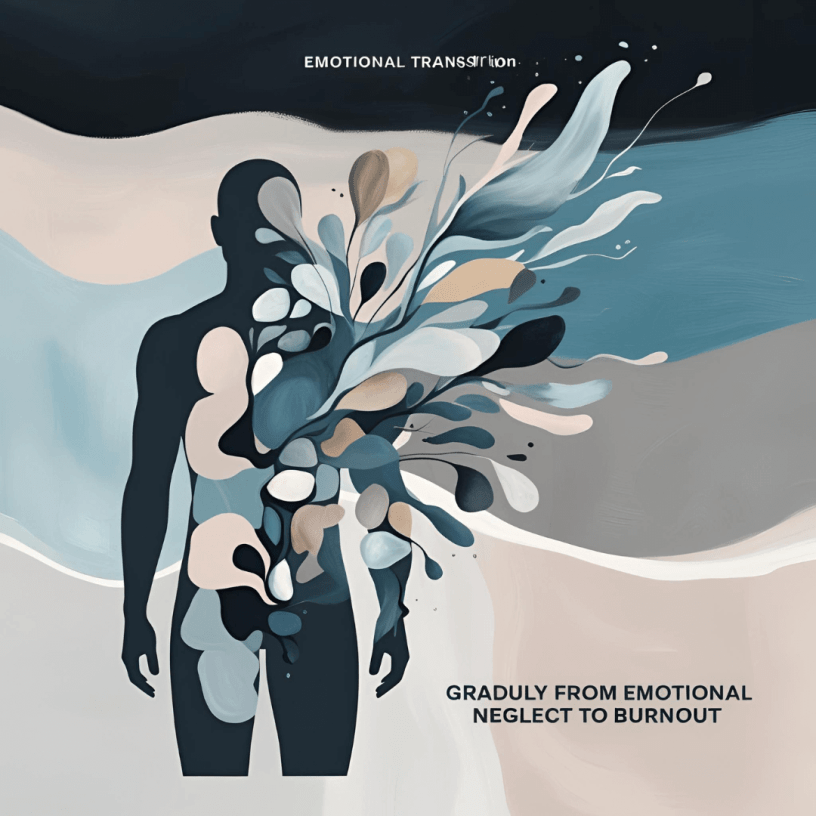
Burnout isn’t always loud. Learn to recognize the subtle signs of emotional neglect and take gentle steps to protect your mental energy.
Discover how subtle emotional neglect can gradually lead to burnout. Learn to identify early signs, self-assess emotional needs, and apply actionable strategies for healing and prevention.
Recognizing the Hidden Signs: How Emotional Neglect Stealthily Leads to Burnout
Emotional neglect may not leave visible scars, but its effects run deep. Over time, ignoring our emotional needs silently drains mental energy, leading to chronic stress and, eventually, burnout.
In this article, we’ll explore:
- What emotional neglect really is
- Early signs and how they manifest in adulthood
- How neglect leads to burnout
- Practical tools for healing and prevention
- A personal reflection on recovery and self-awareness
Let’s bring these quiet struggles into the light. ✨
🧠 What Is Emotional Neglect?
Emotional neglect happens when core emotional needs—like validation, support, and connection—are consistently unmet. It differs from abuse in that it’s often passive and hard to detect.
Common long-term consequences include:
- Low self-esteem
- Difficulty identifying or expressing emotions
- Emotional numbness and disconnection
The first step toward healing is recognizing that these experiences are real, valid, and deserve attention.

🔍Subtle Signs of Emotional Neglect in Adulthood
Early signs of neglect may feel “normal”—especially if you’ve lived with them for a long time. But these patterns often point to deeper emotional wounds.
Emotional Symptoms
- Difficulty identifying or expressing feelings
- Persistent emotional numbness
- Harsh inner critic and low self-worth
Behavioral Indicators
- Avoidance of Deep, Meaningful Relationships
- Overreliance on External Validation
- Difficulty Setting and Maintaining Healthy Boundaries 🚧
Physical Symptoms
- Unexplained Fatigue and Low Energy
- Disrupted Sleep Patterns (Insomnia or Oversleeping)
- Frequent Headaches or Body Aches
Left unaddressed, these subtle signals snowball into full-blown burnout.⏳
🔄 How Emotional Neglect Leads to Burnout
Burnout doesn’t appear overnight—it builds over time through emotional disconnection. Here’s how the process unfolds:
- Chronic Stress Accumulation:
The emotional void creates inner stress that quietly depletes your energy reserves. - Emotional Exhaustion:
You feel drained, detached, and increasingly indifferent to people or responsibilities. - Reduced Coping Capacity:
Without emotional outlets, stress management becomes harder, reinforcing a cycle of collapse. - Physical Breakdown:
Sleep issues, low appetite, or somatic symptoms intensify the psychological fatigue.
Understanding this cycle helps you stop burnout before it takes hold.
✔️ Self-Assessment: Are You at Risk?
Use this short self-check to reflect on your current emotional state:
- Do I feel emotionally disconnected or numb most days?
- Is it hard for me to identify or express how I feel?
- Do I constantly seek validation to feel worthy?
- Am I exhausted despite resting?
- Do I ignore my emotional needs to stay productive?
If you answered “yes” to several, emotional neglect may be quietly impacting your well-being.
💡 Strategies for Healing & Prevention
Burnout rooted in emotional neglect can be reversed—with intention and care.
1. Seek Professional Guidance
Therapists help identify and validate emotional wounds. Emotional neglect often hides behind phrases like “it wasn’t that bad” or “I’m just sensitive.”
2. Practice Daily Self-Care
Create small routines to nourish your emotional body:
- Mindfulness Meditation 🧘♀️
- Journaling Your Emotions 📝
- Movement or Nature Walks 🌳

3. Build Emotional Safety Through Connection
Surround yourself with emotionally safe people. Connection heals what isolation magnifies.
4. Set Boundaries Without Guilt
Boundaries aren’t selfish—they’re self-protection. Learn to say no clearly and kindly.
5. Prioritize Emotional Nutrition
Good food, sleep, creativity, and calm—these aren’t luxuries; they are emotional fuel.


✨ Personal Reflections: My Path to Healing
In my journey to understand and overcome emotional neglect, therapy was the turning point. I had always been aware—on some level—of neglect and abandonment in my life, yet I struggled to define them accurately. I read countless self-help books and normalized my experiences by saying, “that’s just how life was,” or “everyone goes through it.” It wasn’t until I met a professional who put everything in perspective that I truly began to heal.
The process of accurately defining my emotions, situations, and traumas was a major breakthrough. Outside of therapy, the book “Emotional Intelligence” by David Goldman played a crucial role in my healing journey. Over time, unresolved issues led to low self-esteem, a sense of worthlessness, and a cycle of self-neglect. I noticed that I would easily give in, feeling like nothing mattered, especially when working with people. I blamed myself—thinking, “of course, I’m not good enough; everyone else can do it.” That mindset led me to stop caring for my environment and myself, creating chaos both externally and internally.
Even after four years of therapy, with all the necessary tools and support, there are moments when the effects of childhood emotional neglect resurface during periods of high vulnerability and sustained stress. These experiences remind me that early intervention and professional guidance are key to breaking free from the cycle of neglect and burnout.
🛠️ Creating a Supportive Environment
Whether at home or work, create spaces where:
- Feelings are heard, not dismissed
- Rest is respected
- Healthy boundaries are encouraged
- Emotional check-ins become part of the norm
This isn’t just healing—it’s prevention.
💬 Final Thoughts
Emotional neglect can silently erode both mental and physical health, ultimately leading to burnout. By recognizing the hidden signs, performing regular self-assessments, and adopting proactive strategies—like therapy, self-care, and boundary-setting—you can break the cycle of neglect and reclaim your well-being. Remember, early intervention is crucial for maintaining a balanced, fulfilling life. 🚀
Stay informed, stay balanced, and always prioritize your emotional health. 🌱💖

If you’re curious about how professional guidance can further support your journey toward emotional healing, be sure to check out our article “Why You Should See a Psychologist.” In that piece, we delve into how a trained therapist can help you identify and address underlying issues of emotional neglect, providing personalized strategies to prevent burnout and foster resilience. Integrating expert advice with self-care practices, this companion article offers actionable insights that complement the discussion here and empower you to reclaim your well-being.
🌿 Evolve & Thrive with Lela #SimplifyWithLela 🌿
💌 If you enjoyed this post and want more seasonal tips, cozy recipes, and gentle reminders to slow down, you’ll love my monthly newsletter. No spam, just spinach.
 MakeItSimpl3