
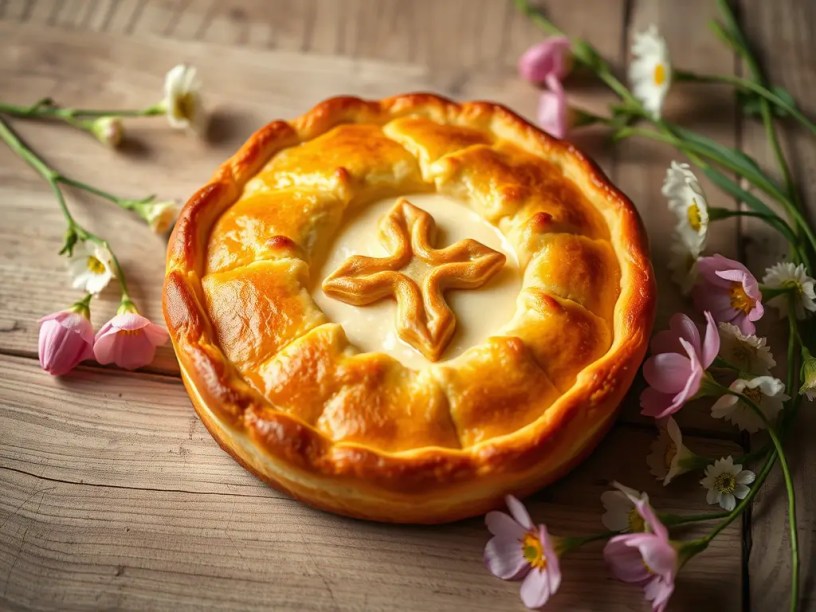
Make authentic Romanian Pasca this Easter—classic or dairy-free. This recipe blends tradition with taste, offering clear steps and spiritual flavor.
🧀🌸
Pasca is a beloved Romanian Easter dessert made with sweet dough and a rich cheese filling. Deeply spiritual and delightfully cheesey, this treat blends tradition with taste. In this guide, I’ll share my go-to recipe — plus a dairy-free twist for our lactose-intolerant friends.
📖 What Is Pasca?
A Romanian Easter Cheesecake with Spiritual Meaning
Pasca is more than a dessert — it’s a symbol of resurrection, hope, and celebration. Traditionally blessed during midnight Easter services, Pasca represents Christ’s resurrection, eternal life, and the renewal of faith.
Baking Pasca is an act of love and intention, deeply rooted in Orthodox Christian tradition. It’s the heart of the Easter table in many Romanian homes (mine included!).
🌸 History & Symbolism Behind Pasca
🕊 Circular shape: Symbolizes the sun, life, and eternity.
✝️ Cross decoration: Represents Christ’s sacrifice and his resurrection.
🌾 Myths & folklore: Baking and blessing Pasca is said to protect the home from illness and misfortune, ensuring prosperity for the year ahead.
🍰 Traditional Romanian Pasca
Recipe with Cottage Cheese
Ingredients:
For the Dough:
- 300 g flour
- 180 ml warm milk
- 40 g powdered sugar
- 4 g dry yeast
- 2 egg yolks
- 60 g melted butter
- 1 tsp vanilla extract
- Pinch of salt
- 1 tsp lemon extract or peel from half a lemon
For the Cheese Filling:
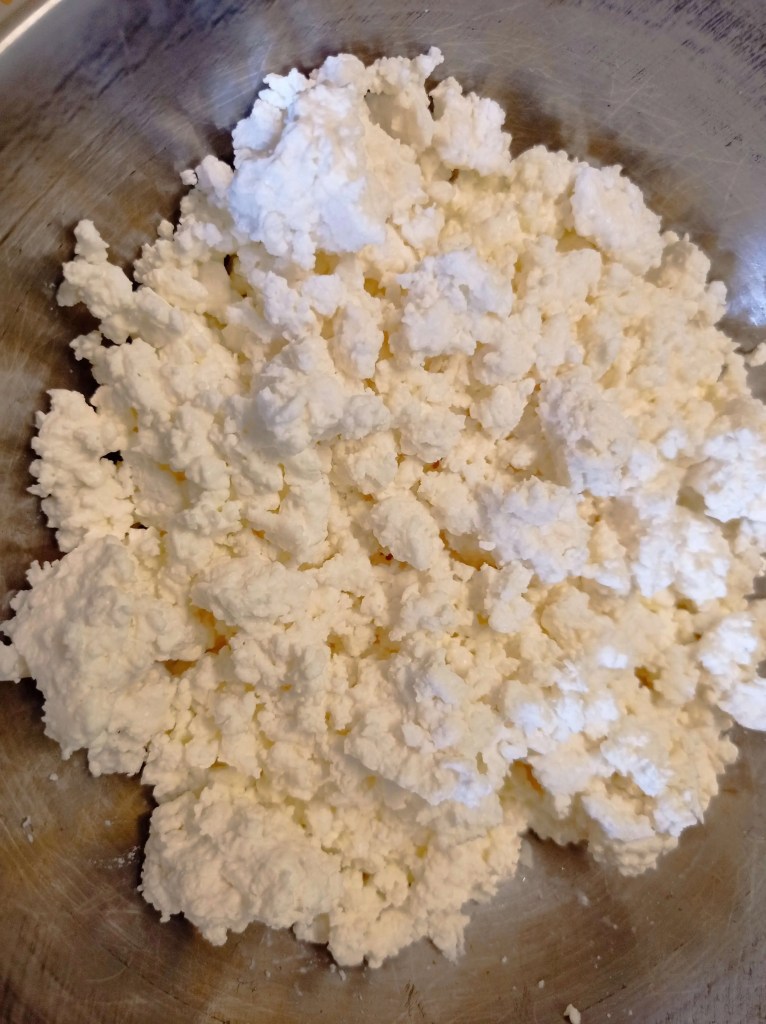
- 350g fresh cottage cheese (brânză dulce, not ricotta)
- 40 g sour cream (thick and fatty)
- 3 eggs
- 100 g sugar
- Pinch of salt
- Zest of 1 lemon or 1 tsp lemon extract
- 1 tsp vanilla extract
- 100 g raisins (optional)
- 30 g semolina (gris)
1 extra egg for brushing before baking
Note: I don’t make overly sweet desserts. If you prefer a sweeter version, feel free to add 10–30g more sugar.
Instructions:
🥣 Prepare the Dough:
- Dissolve the yeast in warm milk with a tsp of sugar. Let it foam.
2. Mix flour, sugar, and salt. Add yeast mix, yolks, melted butter, vanilla, lemon.
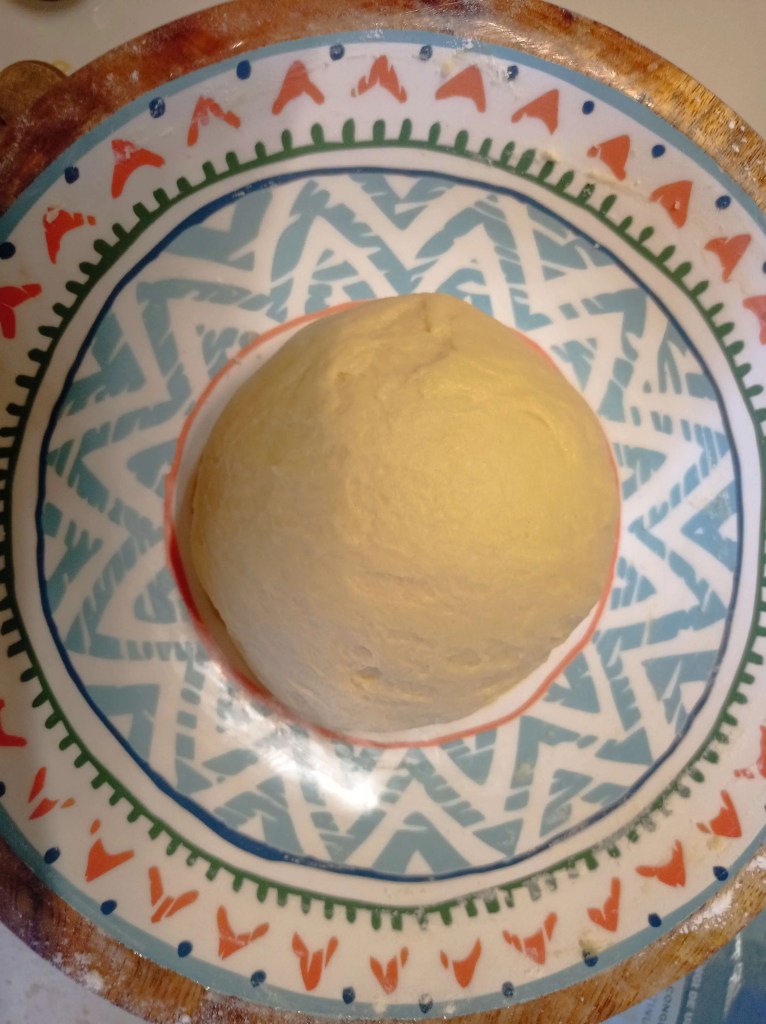
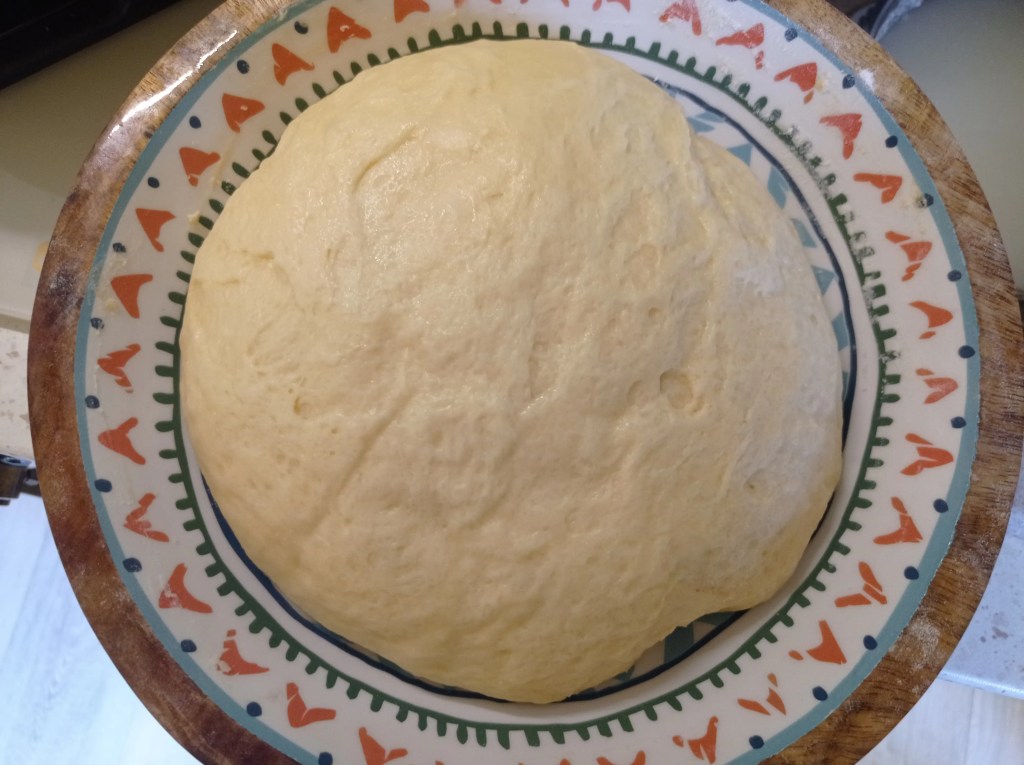
3. Knead the dough until smooth and elastic. Cover the bowl with plastic wrap and let it rise in a warm place for about 1 hour, or until doubled in size.
(I knead it by hand for ~10 min. You can use a mixer with dough hook for ~5 min.)
🧁 Prepare the Filling:
Mix all ingredients until creamy.
👉 Make sure the cheese is fresh, sweet (not salty), and very well drained.
Avoid wet textures — it’ll ruin the consistency!

🌱 Dairy-Free Pasca with Vanilla Cream & Blueberries
This year, I made two versions. One for me (because cheesy sweets = love), and one for a friend who’s lactose-intolerant — because no one should miss out on Easter joy.
Adjustments – Dough:
- Replace milk with lactose-free or plant-based milk
- Replace butter with margarine (or vegan butter)
Note: Dairy-free dough is slightly stickier, but still works great.

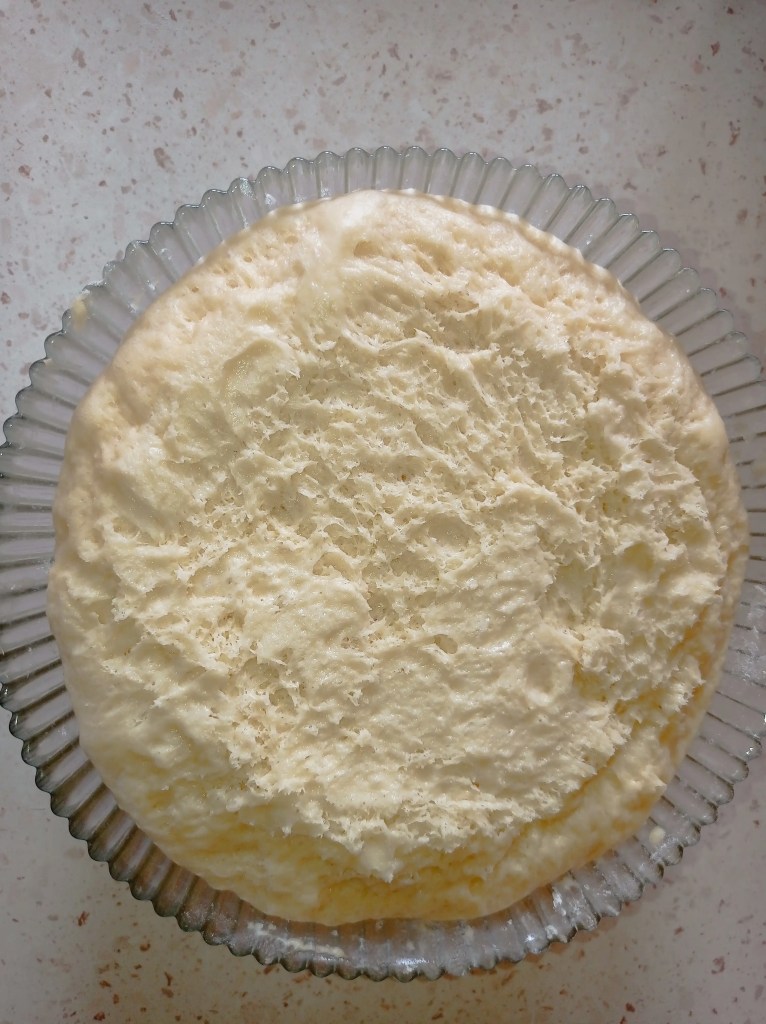
Dairy-Free Vanilla Cream Filling:
- 500 ml lactose-free milk
- 6 egg yolks
- 100 g sugar
- 2 tsp vanilla extract or 1 vanilla pod
- 60 g flour or 40 g cornstarch
- Pinch of salt
- Blueberries (added right before baking)
Instructions:
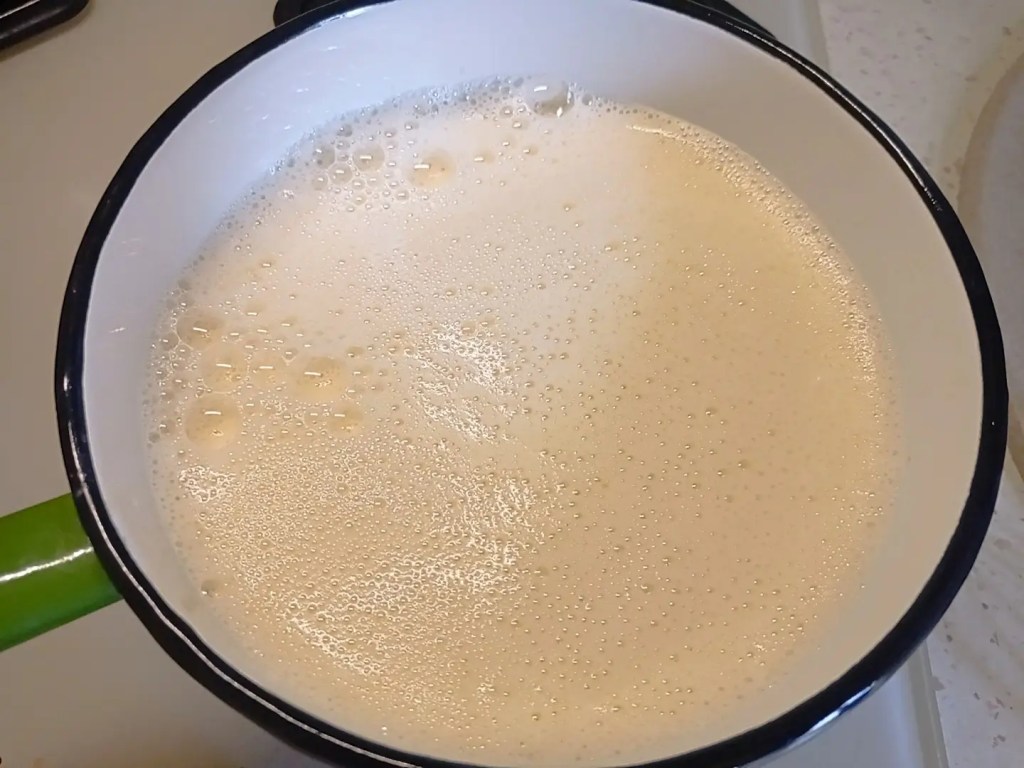
- Heat the milk with vanilla in a saucepan (bring to a boil if using a vanilla pod).
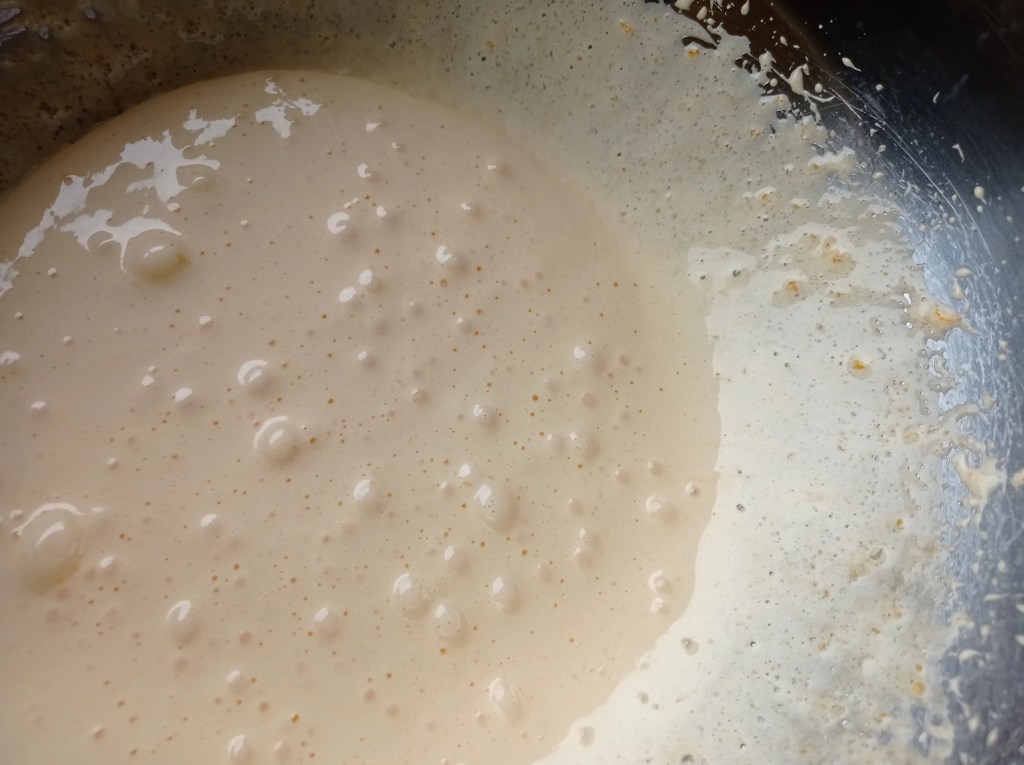
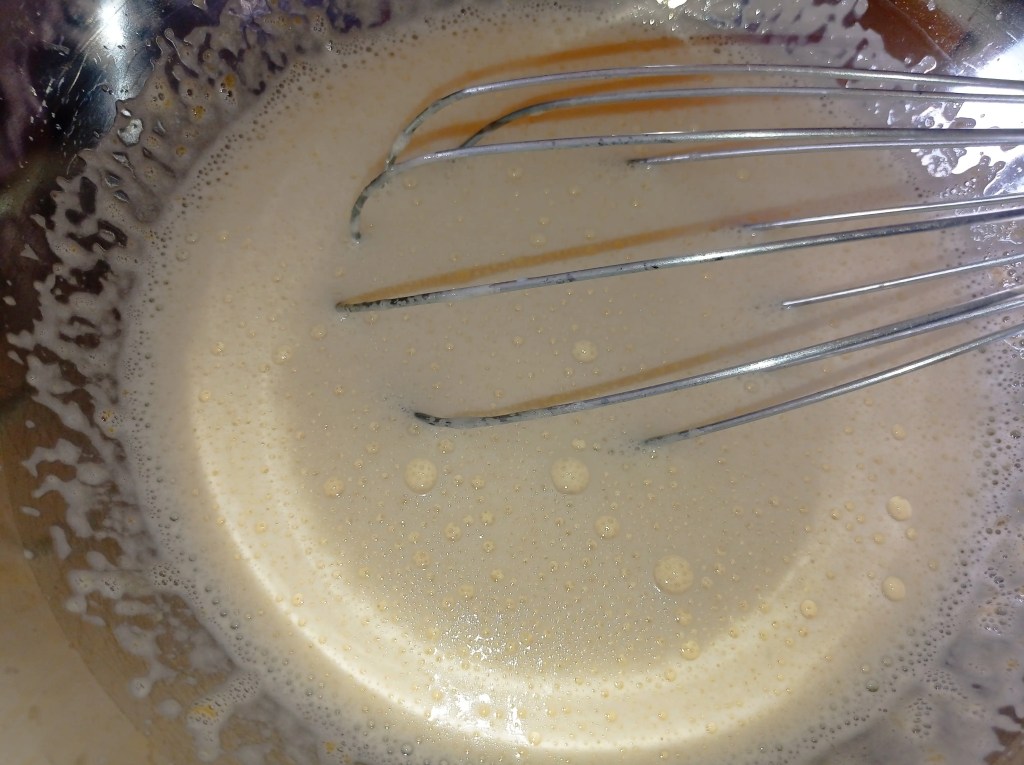
- In a bowl, whisk yolks, salt & sugar until light and creamy.
- Gradually add warm milk to the yolks, stirring constantly.
- Pour back into the pot, add flour/cornstarch while whisking.
- Cook over medium heat, stirring constantly, until thickened. If you’d like, you can skim off any unappealing foam with a spoon (I did).
- Cool slightly. Add blueberries right before baking.
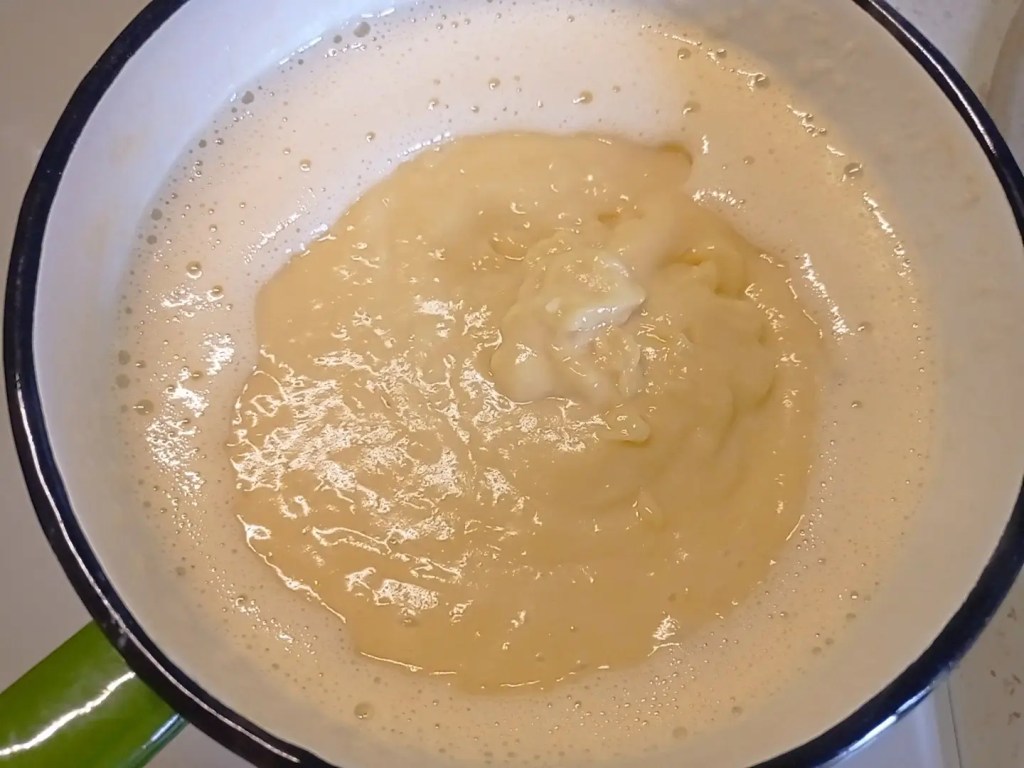
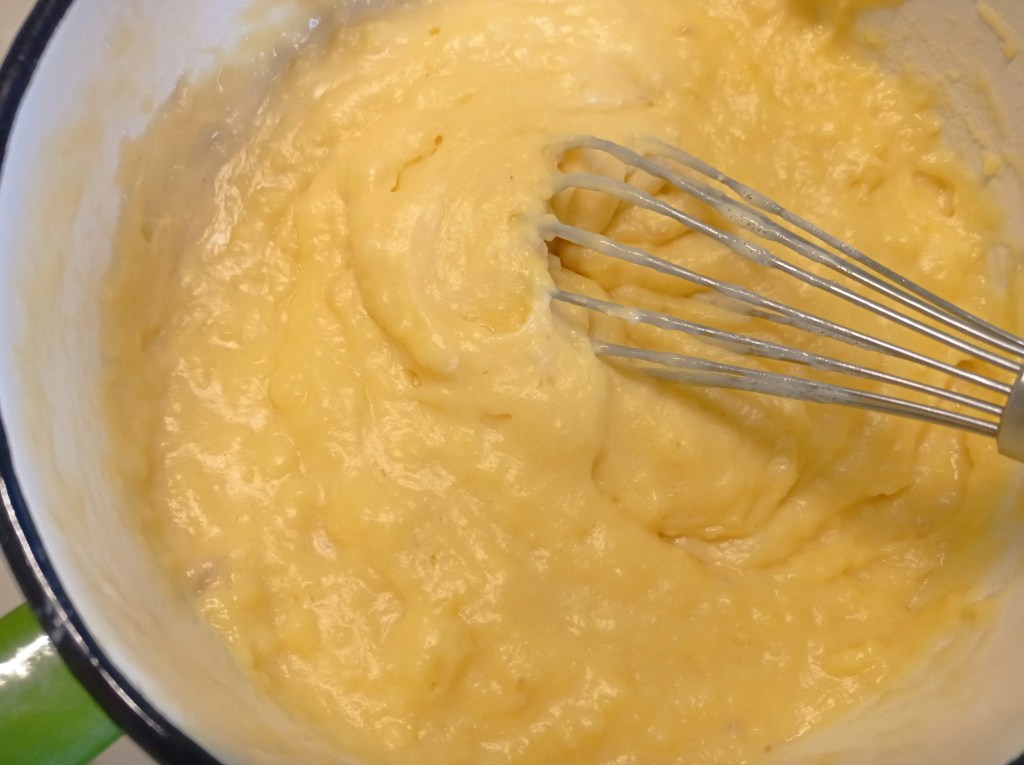
🍰Assembling Your Pasca
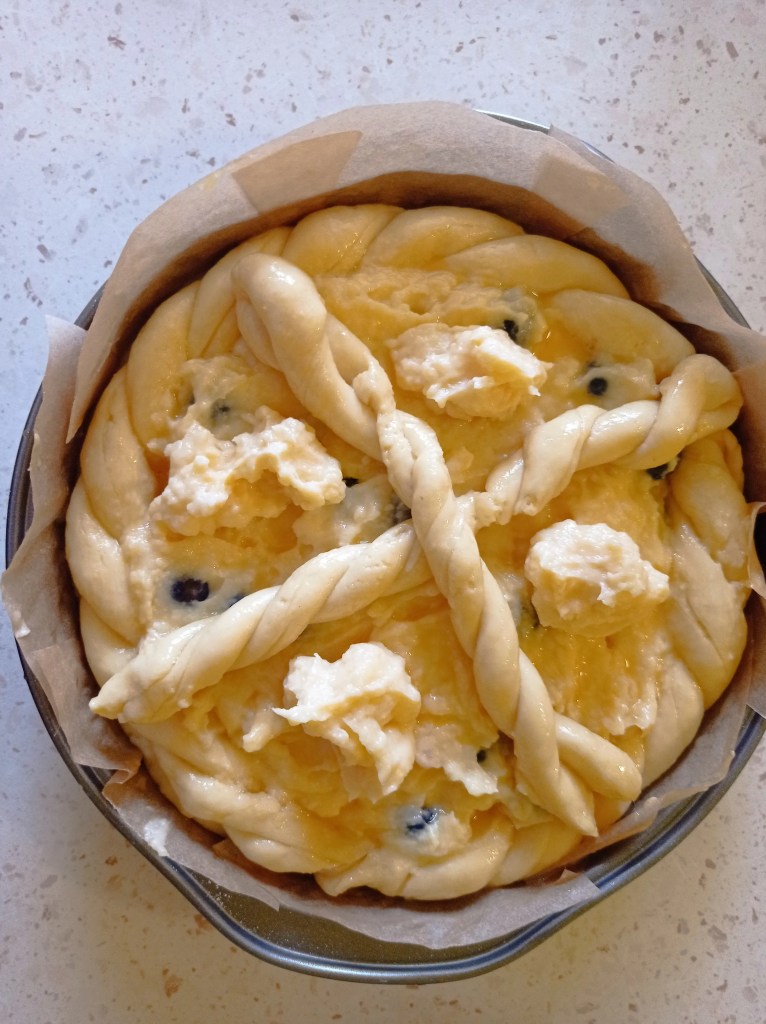
- Divide the dough into 3 parts: ~35% for the base, ~50% for the braided border, ~15% for the cross on top.
- Press the base into a greased springform pan.
- Form two long ropes, twist them into a braid, and place around the edge.
- Add the cheese or vanilla filling.
- Use remaining dough to shape a cross or decorative top.
- Beat one egg and brush all exposed dough.
- Let rest 20–30 minutes while the oven heats up (no need to cover).
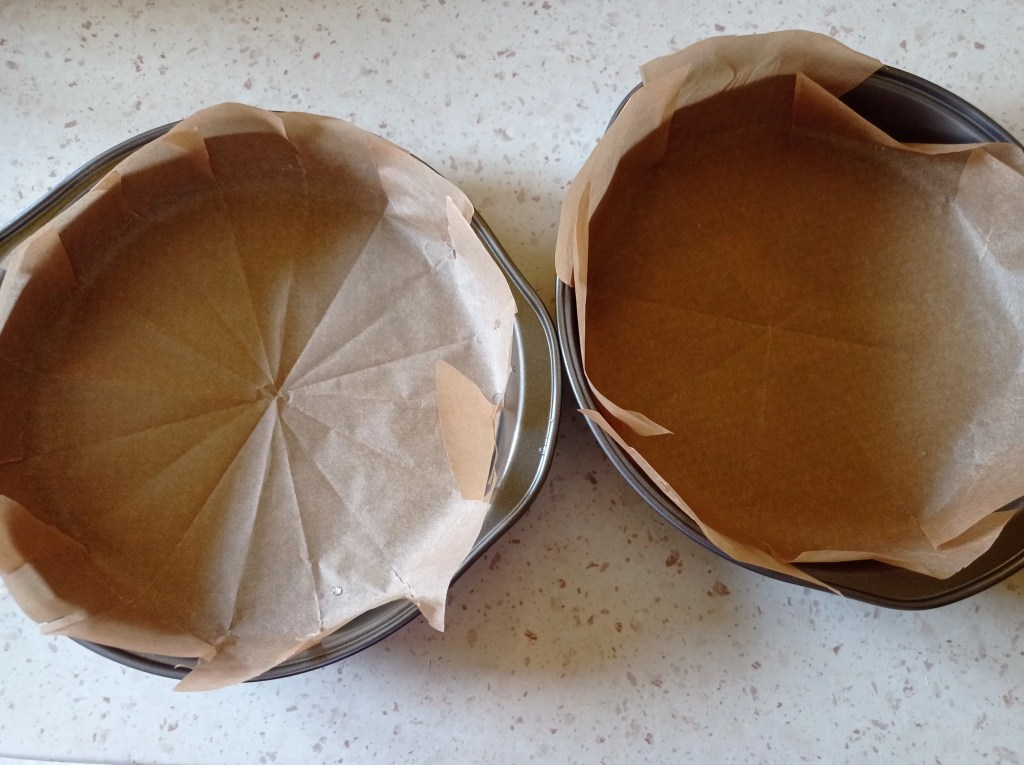
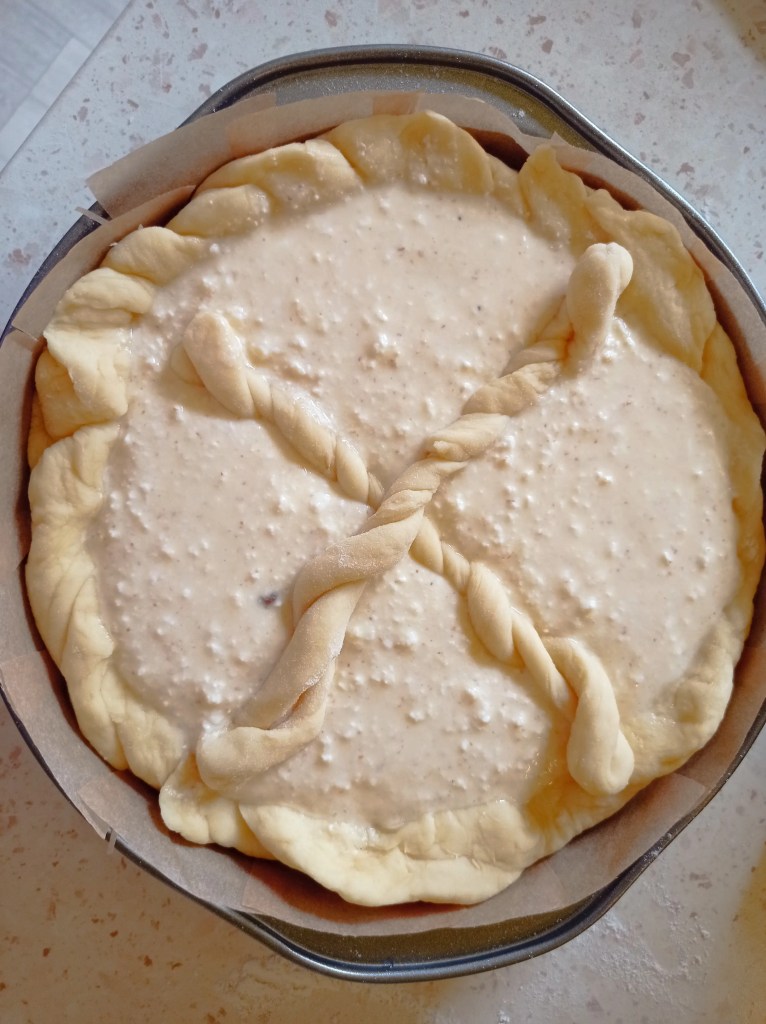
🔥 Bake
- Bake at 180°C (350°F) for 40–50 minutes, until golden and set.
- Let cool in the pan for 5–10 minutes, then transfer to a rack to prevent condensation.
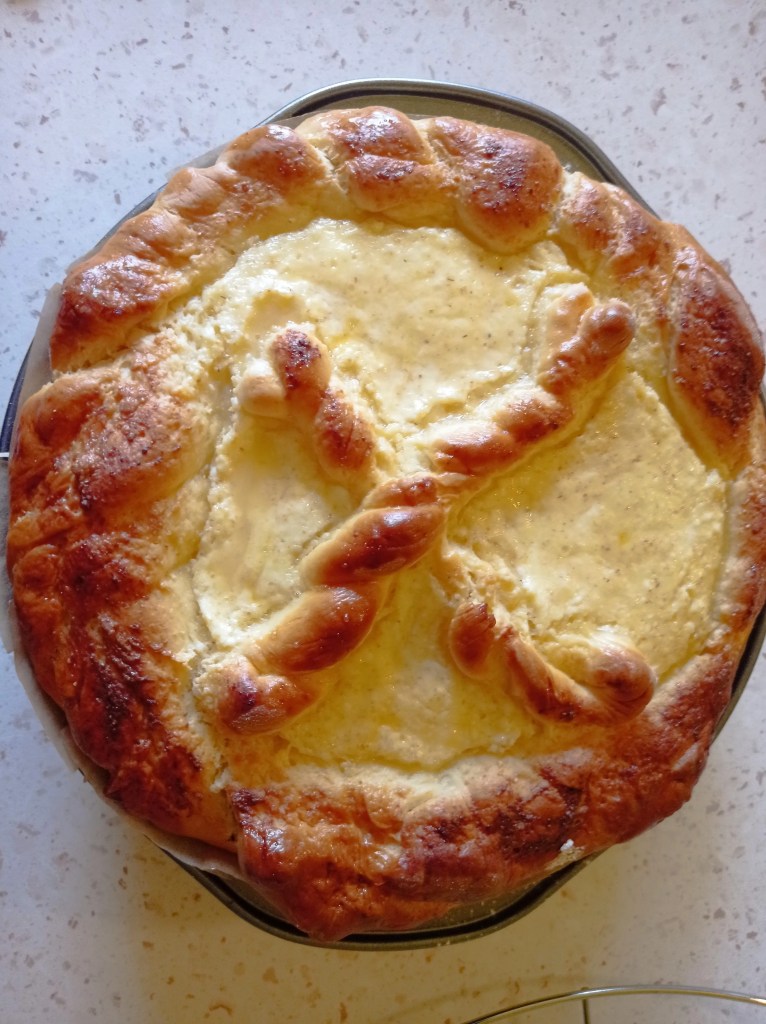

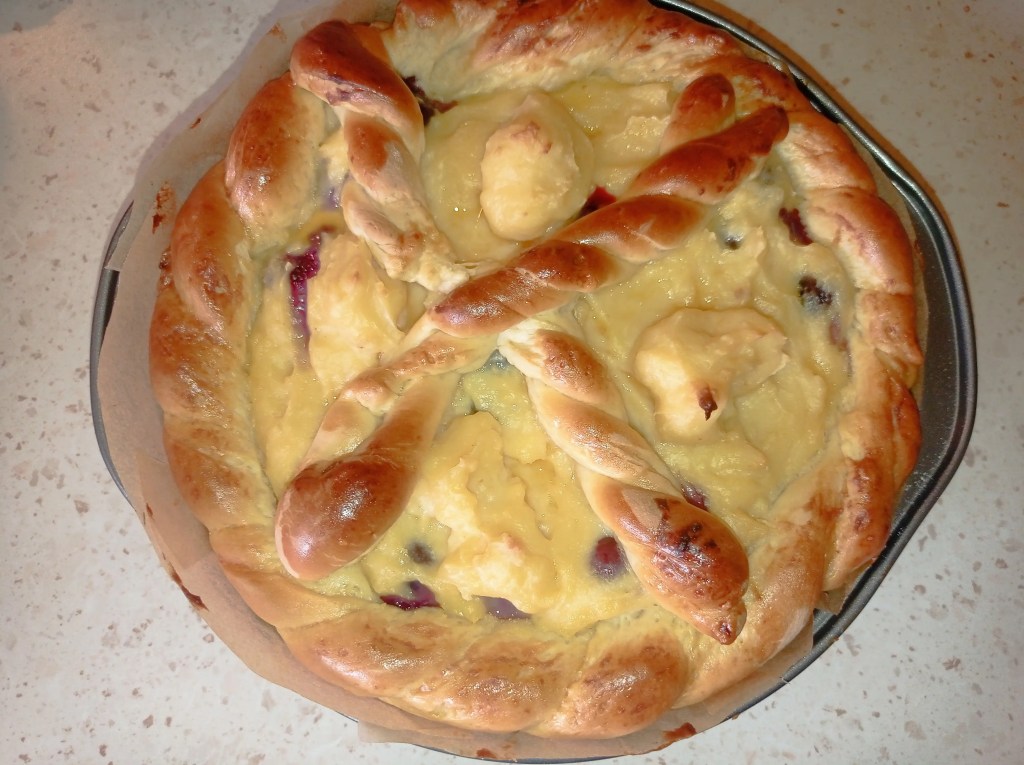
Note: Hot Pasca is delicate. Let it cool fully before slicing. The flavor deepens by the next day — if you can wait that long! 😉
💡 Tips for Success
- Don’t use ricotta – it’s too watery and bland for this dessert.
- Use very dry, sweet cottage cheese.
- Don’t overload with sugar — let the flavors shine.
- Let the dough rise in a warm, calm place (like wrapped in a blanket).
- Add raisins soaked in warm milk or rum for extra depth.
✨ Serve, Share, Celebrate
Pasca isn’t just a dessert – it’s a gift. One that carries meaning, tradition, and joy. Share it at your Easter table, gift a mini one to a neighbor, or simply enjoy a slice with a warm cup of tea in the spring sun. 💛
🍫 Craving More Homemade Sweets?
If you love comforting, nostalgic desserts, don’t miss my Easy Homemade Chocolate Recipe – Just Like in Childhood! 🍫✨
It’s a simple, heartwarming treat that brings back memories and makes a perfect gift or cozy snack.
🥚 Celebrate Easter, Share Sweetness. #SimplifyWithLela 🐣
💌 Join the Seasonal Circle
Want more delicious seasonal recipes, mindful habits, and printables delivered right to your inbox?
Subscribe to my newsletter and be part of a growing community that celebrates simplicity, joy, and intentional living — one season at a time. 🌿
👉 Click here to subscribe
 MakeItSimpl3