

Are you tired of bumping into random objects or holding your breath every time you open a closet door? (Let’s be honest—it’s like playing emotional Jenga in there.) You’re not alone.
Research shows that clutter increases stress, reduces productivity, and messes with your overall well-being. Surveys consistently report that more than half of people feel overwhelmed by the clutter in their homes, and as many as 80% struggle to declutter regularly, citing emotional attachment, lack of time, or simply not knowing where to start. These numbers come from various home organization studies and polls shared by professional organizers and minimalist communities.
Why? Lack of time, lack of motivation, and the haunting fear of accidentally throwing out their future selves’ favorite Tupperware lid.
But don’t panic—your home doesn’t have to look like a storage unit forever. In this guide, we’ll explore why clutter is so overwhelming, how to tackle it step by step, and how to keep it gone for good. In fact, surveys suggest that over 50% of people feel overwhelmed by the amount of stuff in their homes, and a shocking number—upwards of 80%—admit they rarely declutter.
Why? Lack of time, lack of motivation, and the haunting fear of accidentally throwing out their future selves’ favorite Tupperware lid. But don’t panic—your home doesn’t have to look like a storage unit forever. In this guide, we’ll explore why clutter is so overwhelming, how to tackle it step by step, and how to keep it gone for good.
Let’s roll up our sleeves, put on that playlist you swear helps you clean faster, and get started—your future self (and your nervous system) will thank you.

Why Clutter Matters
Stress and Mental Health.
Cluttered = Cortisol
A study published in the Personality and Social Psychology Bulletin (access restricted), found that women who described their homes as “cluttered” had higher levels of the stress hormone cortisol. That explains the side-eye you give your kitchen drawer of chaos.
Visual Overload
Piles of stuff bombard your brain with unnecessary stimuli. Translation? You’re constantly distracted, even if you pretend you’re totally fine.

Personal Well-Being
Decision Fatigue
Every item out of place adds micro-decisions to your day. Where should I put this? Should I keep that? Suddenly you’re mentally exhausted before breakfast.
Emotional Weight
We keep things because of guilt, sentiment, or pure habit. But stuff doesn’t own you—you own it. Unless it’s your toddler’s “art project.” Then it owns you and your fridge door.
Getting Started: Decluttering Basics
Make a Game Plan
- Room-by-Room: Start small. One drawer. One closet. Not the entire garage, unless you’re actively avoiding responsibilities.
- Realistic Goals: Bedroom this week. Kitchen next. Trust the slow burn—it’s less likely to end in a meltdown.
Prep Your Tools
- Trash Bags: For expired, broken, or just plain “what was I thinking?” items.
- Donation Boxes: Label them clearly—unless you want your partner to fish their favorite hoodie out of the giveaway pile.
- Clear Storage Bins: Because mystery boxes are only fun in fairy tales.
Set Your Rules
- Use It or Lose It: Haven’t used it in a year? Buh-bye. Exceptions include emergency ponchos and maybe your wedding dress.
- Sparks Joy?: If it doesn’t make you happy or do something useful, let it go. (Thanks, Marie. We love you and your folding skills.)
Popular Decluttering Methods
The KonMari Method ✨
- Focus on categories (not rooms).
- Keep what brings you joy. Thank the rest, try not to cry, and let it go.
The Four-Box Method
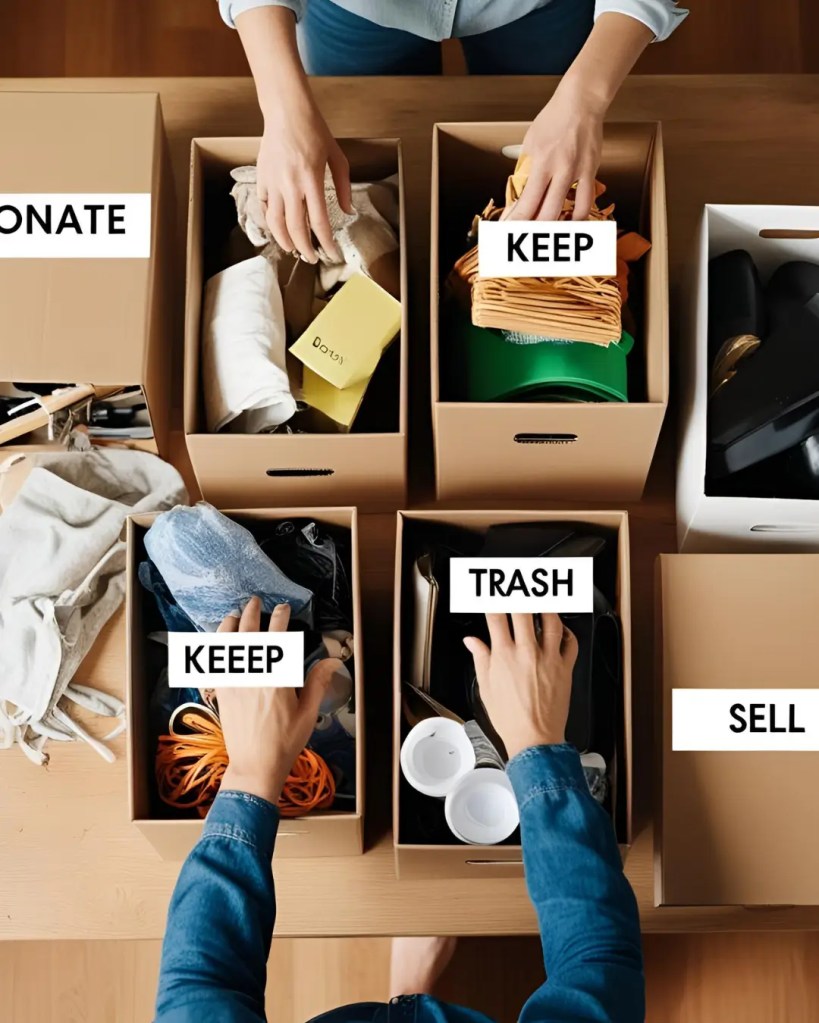
- Every item goes into: Keep / Donate / Sell / Trash.
- Warning: No “Maybe” pile. You’re not starting a museum of indecision.
Minimalist Mindset
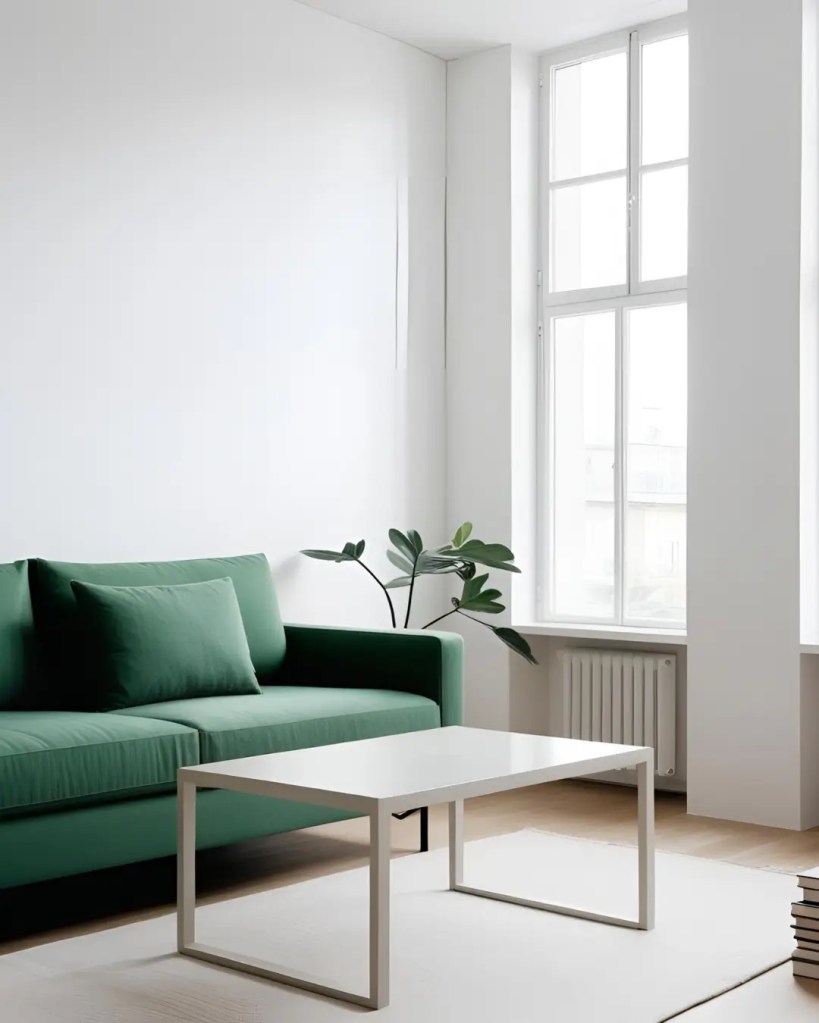
- Less, but better.
- Ask: Does this item support the life I want? If not, it can support someone else’s at the thrift store.
The Science Behind Decluttering
Mental Clarity
- Neuroimaging shows clutter reduces focus and memory retention. A tidy space = a brain that can remember why it walked into a room.
Emotional Boost
- Decluttering drops cortisol and boosts dopamine. Yes, tossing junk literally makes your brain happier. Now you have science to justify screaming “BE GONE!” at your junk drawer.
Common Decluttering Hurdles
- Emotional Guilt: “But it was a gift…” Okay, but is it helping your life now? Or just helping your shelf sag?
- What If I Need It Later?: If you haven’t needed it in six months, future-you probably won’t either. Future-you is busy thriving.
- Time Pressure: Set a timer for 15 minutes. If you can scroll reels for 45, you can do this.
- Decision Paralysis: One shelf. One box. One win at a time. (Yes, even the junk drawer of doom.)
Quick FAQs
Q: How do I let go of sentimental items?
A: Take photos. Make a digital scrapbook. Keep the memory, not the clutter. Unless it’s glitter art from your niece—then you’re stuck forever.
Q: Should I store everything in bins?
A: Use what works for you. But don’t go bin-crazy. If you need a label maker to find your label maker… you might be overdoing it.
Q: No storage space?
A: That’s a sign—not a problem. Less stuff, less stress. Also, fewer bruises from mystery boxes falling on your head.
Q: How often should I declutter?
A: Once a season is solid. Or anytime your kitchen counter disappears under mystery mail and mismatched mugs.
Tips to Stay Clutter-Free
- One In, One Out: Bought new shoes? Say goodbye to that blister-maker you keep “just in case.”
- Daily Reset: 5–10 minutes to put things back. Like brushing your teeth, but for your sanity.
- Designate Homes: Everything gets a spot. Yes, even the weird cable that no one dares throw away.
- Label Everything: So your household stops asking where the batteries are… again.
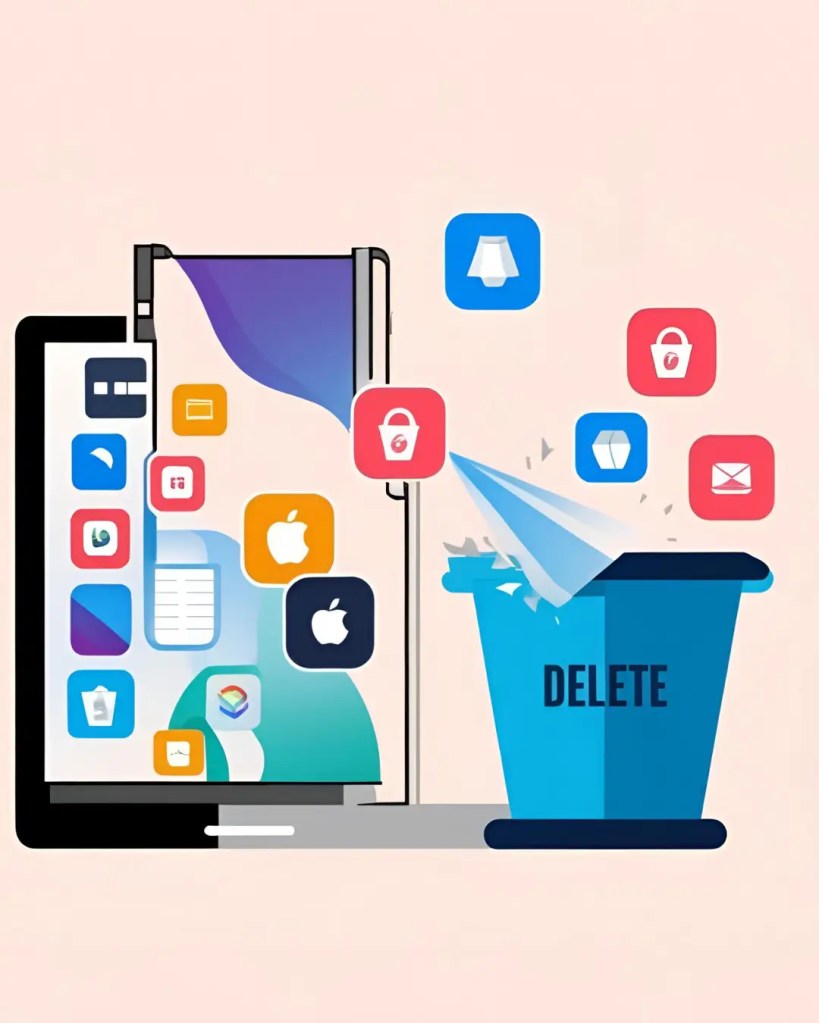
- Declutter Digitally: Your desktop shouldn’t look like your real desk. Tidy up those files and emails too.
A Fresh Start 🌱
Decluttering isn’t about becoming a minimalist monk with one spoon and a yoga mat. It’s about reclaiming your space—and your brain. Clear the stuff, clear the noise, and make room for what truly matters (like sitting on your couch without being stabbed by a rogue LEGO).
Want more simplicity? Check out:
- How to Clean Your Home and Keep It Clean Easily: The Ultimate Guide
- 10 Small Habits for a Better Life
Together, they’ll help you create a space that’s not just tidy—but truly supports your life.
🧺 Clear it out & lighten up with Lela #SimplifyWithLela 🧺
 MakeItSimpl3