
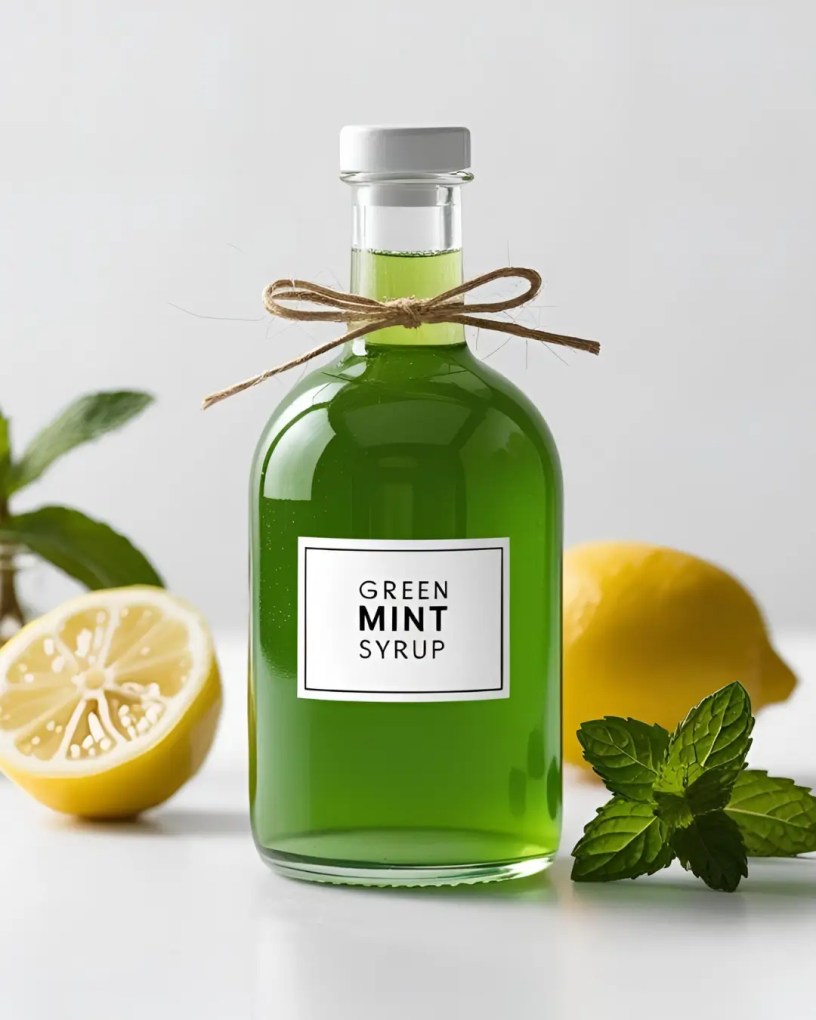
Refreshing, fragrant, and ridiculously easy—this mint syrup recipe is summer in a bottle. Pour, sip, repeat.
June is the perfect time to embrace your garden’s freshness, and few herbs capture that vibrant, cooling feeling like mint. 🌱 With its invigorating aroma, refreshing taste, and energizing properties, mint isn’t just fantastic in drinks and desserts—it’s perfect for homemade syrups too!

Want more seasonal kitchen magic?
Discover my From Scratch Life Kits with printables, checklists, and more to help you simplify your preserving routine.
👉 Check out the Kits page
In this post, I’ll guide you through my favorite traditional mint syrup recipe. It’s incredibly easy, full of nostalgic charm, and packed with flavor. Plus, you’ll learn how to store it, what you can use it for, and why mint deserves a special spot in your seasonal kitchen.
Why Mint is the Perfect Summer Herb 🌱
Mint has a long history in Romania and throughout Europe, cherished for its cooling, digestive, and calming effects. Growing up, mint was dried for teas, added fresh to lemonade, or preserved as syrup to enjoy year-round. Here’s why mint is a seasonal staple:
📅 Abundant growth in late spring and early summer
📊 Improves digestion and reduces bloating (Reference)
🔥 Naturally cooling, ideal for warm weather
🍽️ Versatile in both sweet and savory dishes
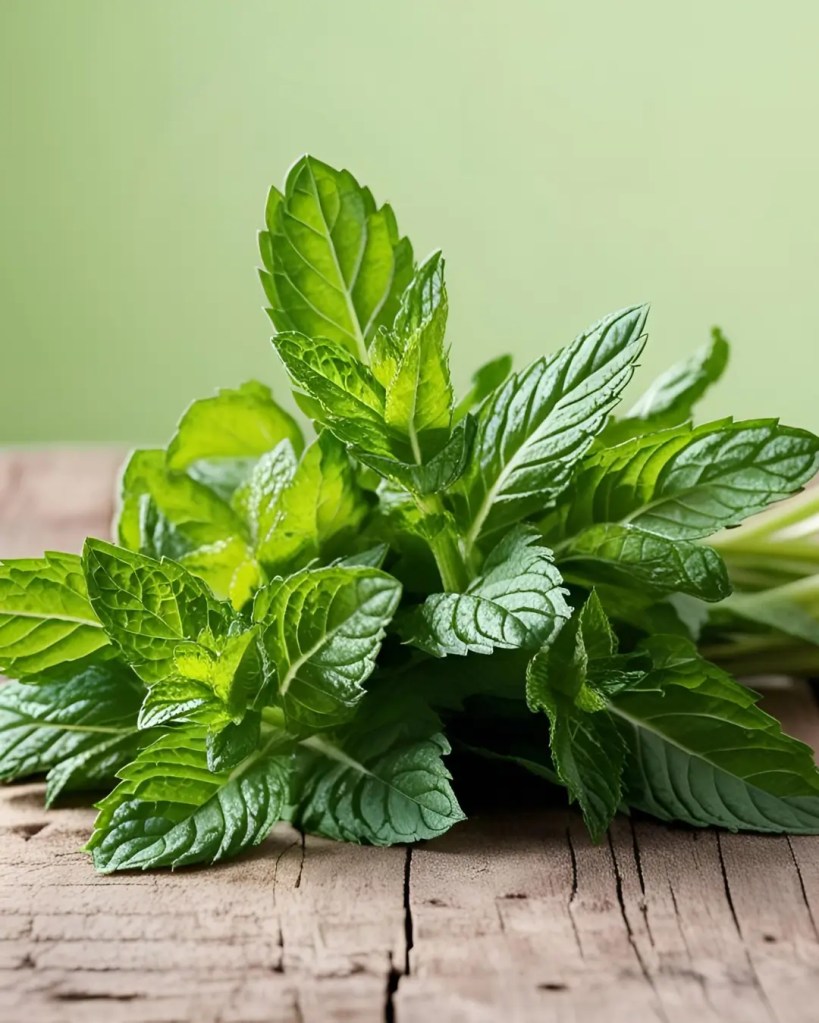
Traditional Uses of Mint Syrup
In Romania, mint syrup (sirop de mentă) is common in rural households, traditionally prepared at the peak of mint season to be enjoyed throughout hot summer months. Kids adore it mixed with cold water, while adults might flavor desserts or cocktails. Like elderflower and fir-tip syrups, mint syrup captures seasonal abundance and the joy of preserving.
Homemade Syrups: Benefits and Trade-Offs 🍯️🌿
Homemade syrups like mint, elderflower, and fir tips are delicious and versatile. Here are some pros and cons to consider:
✅ Pros:
- Quick and easy preparation
- Captures intense flavor and aroma
- Long shelf life when properly pasteurized
- Versatile for drinks, desserts, marinades, or teas
⚠️Cons:
- Often high in sugar (but honey is a natural alternative)
- Lower in fiber and nutrients than whole-fruit preparations
- Not as filling or nutri tious as jams or compotes
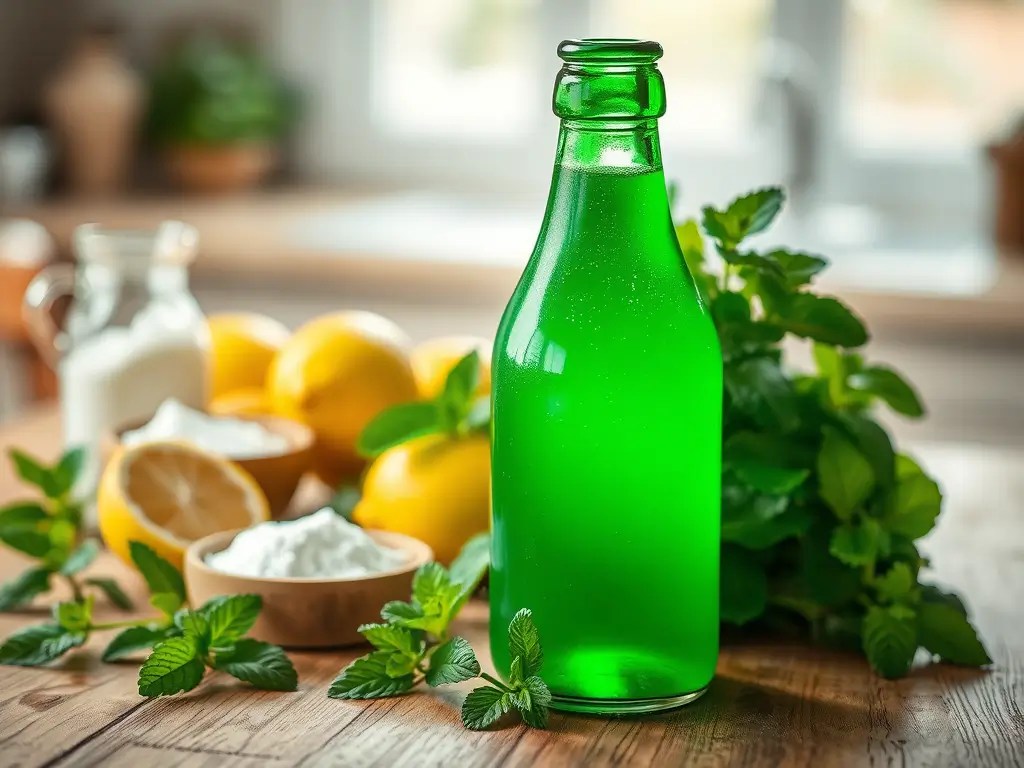
Enjoy your syrups in moderation, ideally with natural sweeteners, to savor nature’s essence in every sip.
Ingredients for Homemade Mint Syrup
- 🌿 1 large bunch fresh mint (50-60g leaves, stems removed)
- 💧 500 ml (2 cups) water
- 🍬 500 g (2½ cups) sugar
- 🍋 Juice of ½ lemon (for color and brightness)
- 🌱 (Optional): natural green food coloring (for deeper color)
How to Make Mint Syrup – Step by Step 👩🍳
1️⃣ Harvest & Rinse
Harvest mint early in the morning for maximum freshness. Rinse thoroughly and pat dry.
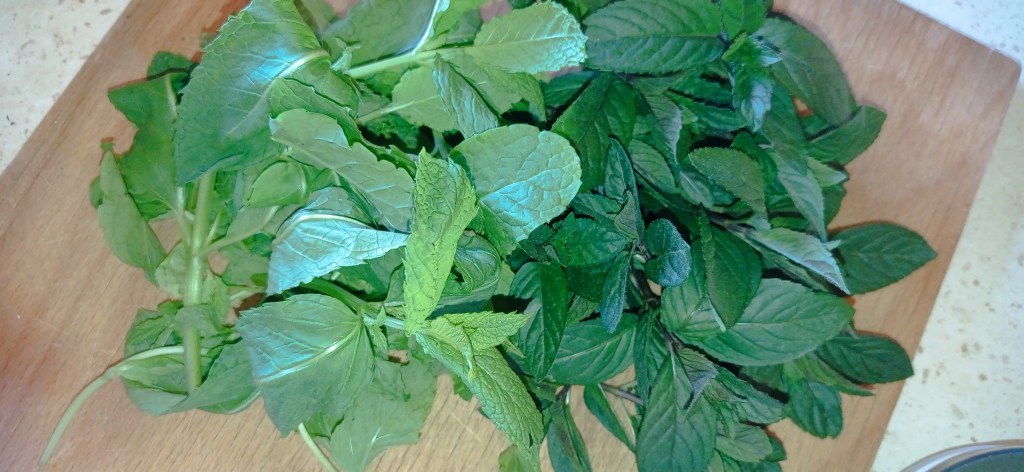
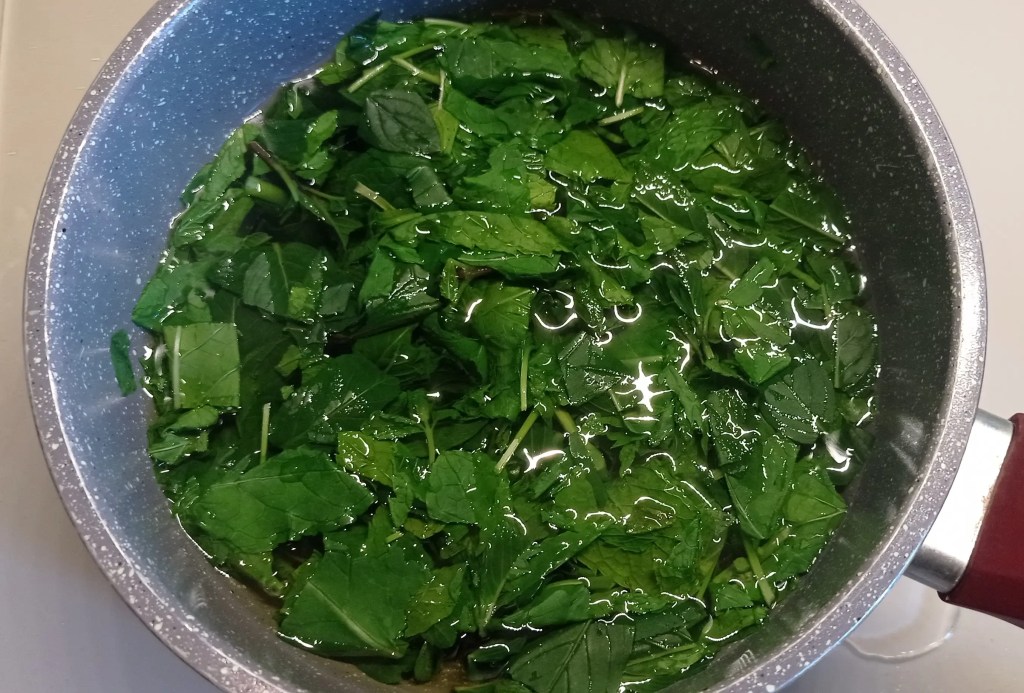
2️⃣ Steep the Mint
Bring water to a boil, add mint leaves, turn off heat, and cover. Steep for 12–24 hours for richer flavor.
3️⃣ Sweeten & Simmer Together
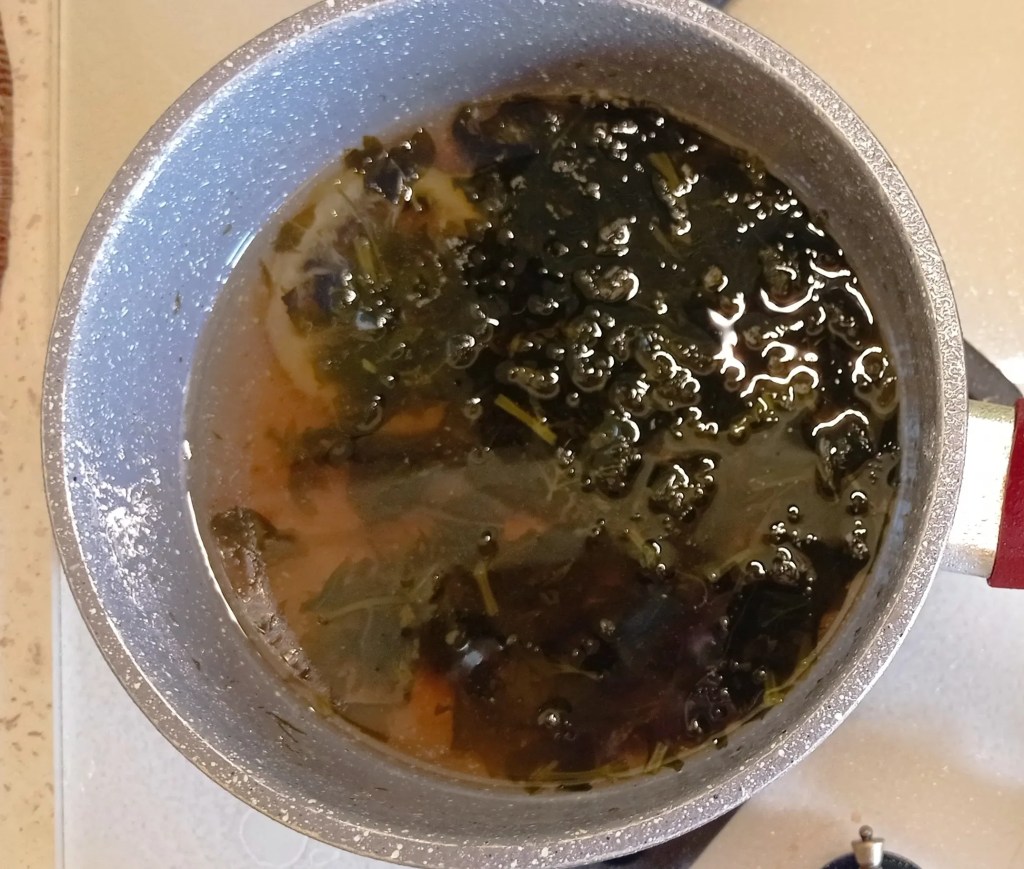
Add sugar and lemon juice directly to the pot with the mint infusion—including the mint leaves. Bring everything to a boil and let it simmer gently for about 10 minutes. You’re aiming for the syrup to thicken slightly—when a drop placed on a plate holds its shape and gets a bit domed, it’s ready!
Note: If you prefer a thicker syrup, you can simmer it again the next day—but no more than 10 minutes at a time to avoid overcooking or caramelizing the sugars.

4️⃣ Bottle It Up
Cool slightly, pour into sterilized glass bottles. Refrigerate for immediate use, or pasteurize bottles for long-term storage.
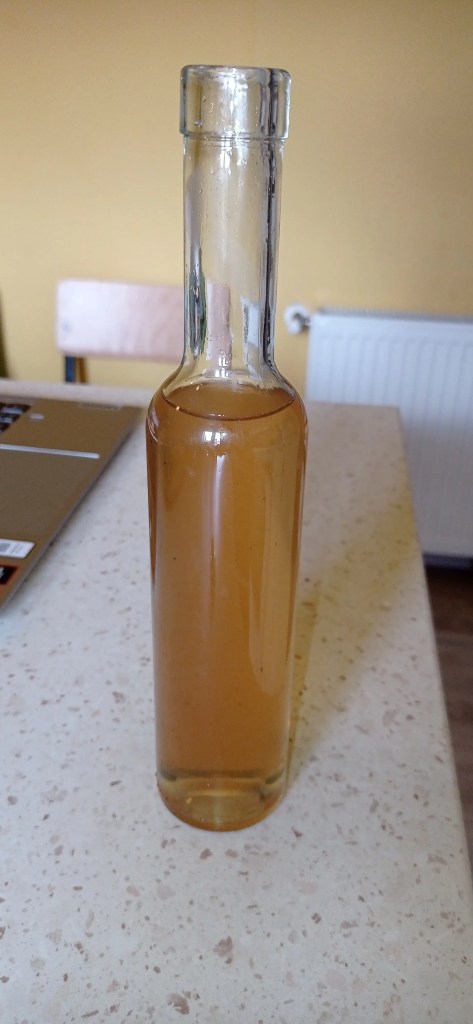
💬 Note: Mint syrup is not usually green—it tends to have a golden tea-like color. If you’d like that classic minty green, feel free to add a drop of natural green food coloring. Totally optional, but kind of fun!
Tips & Flavor Boosters 💡
- Use organic mint for the best flavor
- Add lemon zest for freshness
- Blend mint leaves with some syrup for vibrant color before final strain
- Natural food coloring is optional
Creative Ways to Use Mint Syrup 🍹🍰
Mint syrup has endless uses—here are my favorites:
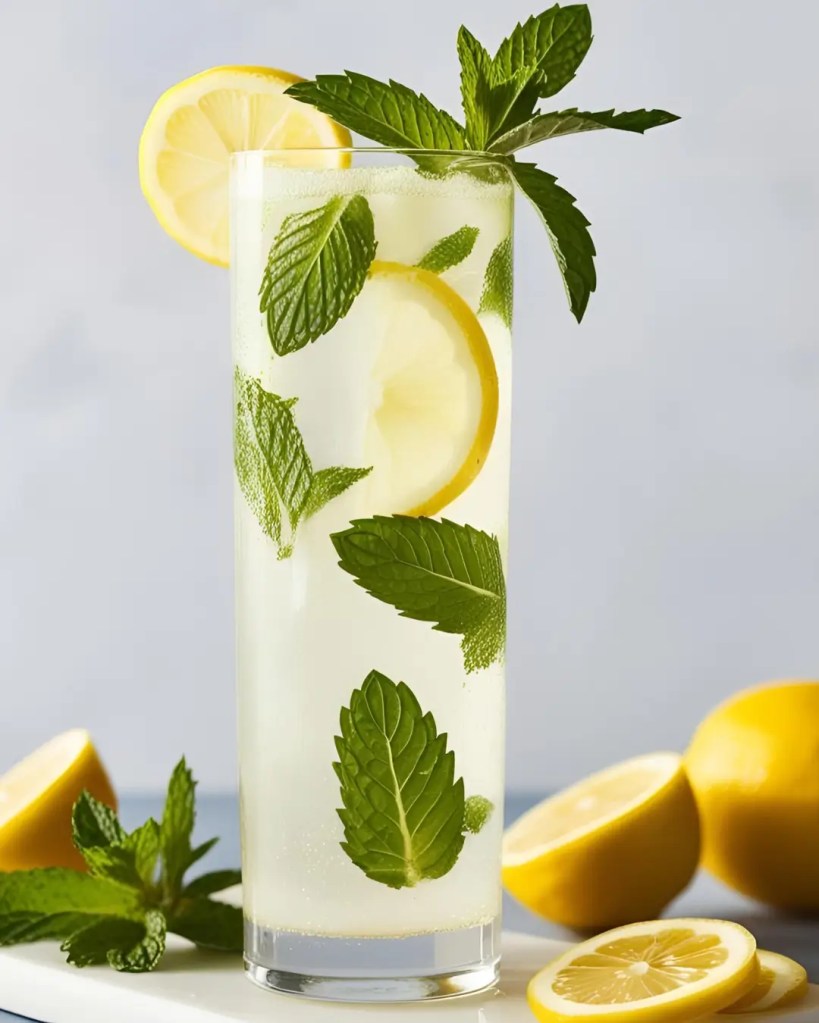
- 🥤 Mixed with cold or sparkling water for homemade mint soda
- 🍋 A refreshing twist for lemonade
- 🍨 Drizzled over ice cream or fruit salad
- 🍰 Moistening sponge cakes or flavoring whipped cream
- 🍹 Cocktails: mojitos, gin drinks, or mocktails
- 🍯 Sweetening tea or iced herbal drinks
🫙Storing Your Syrup for Long-Term Use
- Refrigerate in airtight bottles up to 3 weeks
- Pasteurize bottles in boiling water (20 min) for longer shelf life
- Label bottles clearly and store in a cool, dark place
🍵How to Dry Mint for Herbal Tea
Don’t forget, you can also dry excess mint for tea! Simply tie mint stems into small bunches and hang them upside down in a cool, ventilated space until dry. Store dried leaves in airtight jars.
💚Final Thoughts: Capture Summer in a Bottle
Making mint syrup is more than just a culinary task—it’s a beautiful seasonal ritual. It celebrates nature’s bounty, preserving the essence of summer for months to come. Try it once, and you might find yourself returning every season. 🍃
How would you use your homemade mint syrup? Let me know in the comments!
💚Preserve the good, savor the season. #SimplifyWithLela 💚
 MakeItSimpl3